

If you are arrested for DUI while visiting South Carolina for Thanksgiving, you can face criminal charges in South Carolina even if you live in another state. A conviction may affect your driver’s license back home, and certain breath-test results or refusals can trigger separate administrative penalties before your criminal case is resolved. Returning home […]
Category Archives: DUI

A DUI lawyer should ask where you were before driving, what you drank or took, when you last consumed alcohol, what you ate, who saw you, and what happened before the traffic stop. Your answers can help establish a reliable timeline, identify witnesses and records, and assess whether the evidence supports the charge. In South […]

Yes. You can be arrested for DUI after Friendsgiving in South Carolina if alcohol, drugs, or a combination of substances materially and appreciably impairs your ability to drive. You can also face a separate driving with an unlawful alcohol concentration (DUAC) charge if your blood alcohol concentration (BAC) is at least 0.08%. A BAC below […]
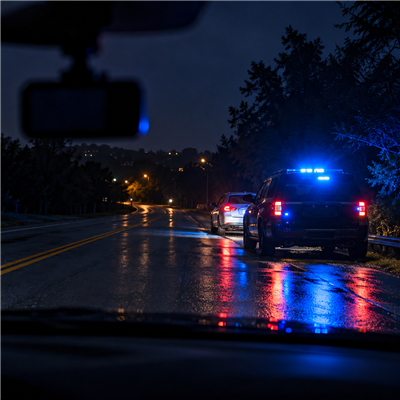
A DUI stop timeline can show whether police had legal grounds for the initial stop, any extended detention, and the arrest. It can also reveal when field sobriety tests occurred, what video recorded, and how much time passed before a breath test. In South Carolina, these details can affect whether evidence is admissible and how […]

Yes, you can get a DUI the morning after drinking in South Carolina, even if you stopped drinking hours earlier and slept through the night. Alcohol can remain in your bloodstream after you wake up, potentially leaving you impaired or over the legal blood alcohol concentration (BAC) limit. Under South Carolina law, a driver may […]
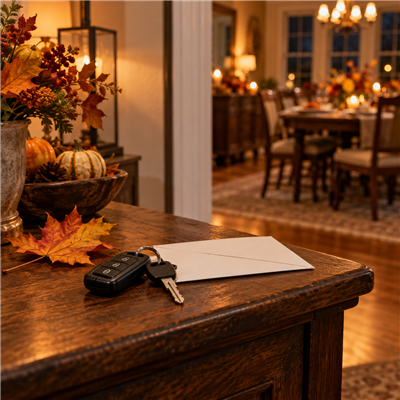
A DUI arrest during Thanksgiving weekend in South Carolina can result in criminal charges, fines, possible jail time, and driver’s license restrictions. Holiday enforcement does not create a separate DUI penalty. A chemical test refusal or an alcohol concentration of 0.15% or higher can also trigger an administrative suspension before the criminal case is decided. […]

Poor balance during a DUI investigation does not automatically mean that alcohol caused a driver’s difficulty standing or walking. Medical conditions, physical limitations, fatigue, footwear, and testing conditions can affect performance on roadside sobriety tests. A DUI lawyer evaluates whether the officer administered the tests correctly, whether other explanations fit the evidence, and whether the […]
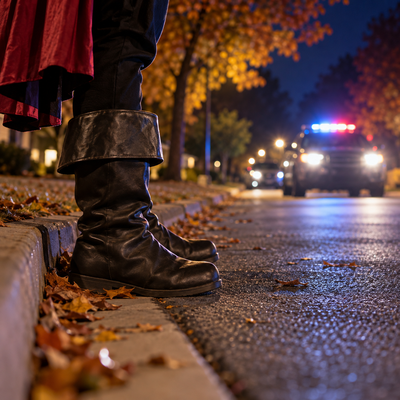
In South Carolina, wearing a Halloween costume does not change DUI law or create an additional DUI penalty. Your costume may still affect the interpretation of roadside sobriety exercises, police observations, and video evidence. If you face a Halloween DUI arrest in Greenville, South Carolina, a defense attorney can examine the traffic stop, testing procedures, […]
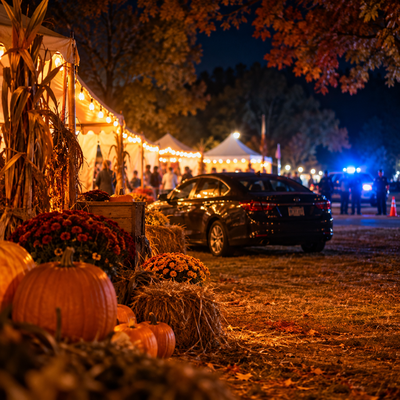
Yes. You can face a DUI charge after leaving a fall festival in South Carolina if alcohol, drugs, or both materially and appreciably impair your ability to drive. A separate charge, driving with an unlawful alcohol concentration (DUAC), generally concerns driving with a blood alcohol concentration (BAC) of 0.08% or higher. Where you consumed alcohol […]
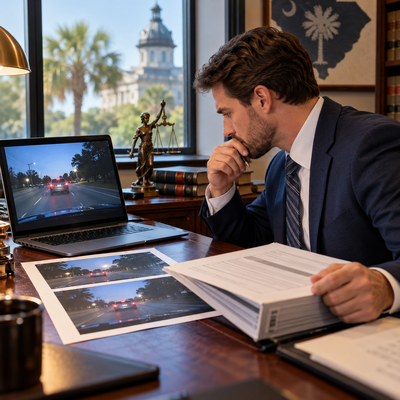
When a South Carolina DUI police report and arrest video describe the same stop differently, the conflict can affect how the evidence is evaluated. A police report is the officer’s written account. Video is a separate piece of evidence that may confirm, add context to, or conflict with that account. A contradiction does not automatically […]
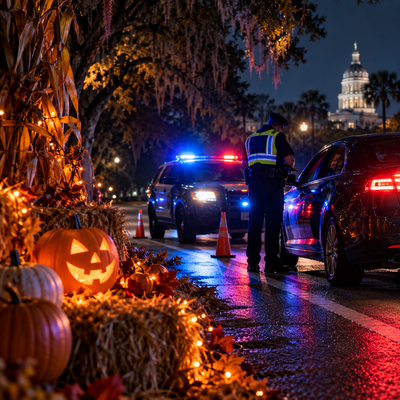
A Halloween DUI arrest in South Carolina can create two separate legal matters: the criminal DUI charge and, in some cases, an immediate driver’s license suspension. If you receive a notice of suspension after refusing a chemical test or after a breath result of 0.15 percent or higher, South Carolina law generally gives you 30 […]

Summary The first few minutes of a South Carolina DUI body-camera video can show details that a police report may reduce to only a few sentences. A DUI lawyer may look at when recording began, what the officer knew before approaching your vehicle, what you said, how you moved and responded, and whether the footage […]