

350+ Reviews
5.0 Star Average





What are Field Sobriety Tests? 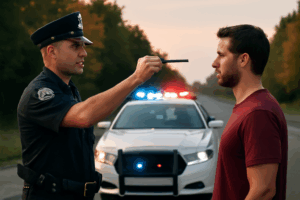
Field sobriety tests are roadside assessments that officers use to determine if a driver is under the influence of alcohol or drugs. These tests measure coordination, balance, and the ability to follow simple instructions, all of which can be affected by impairment. The purpose of the tests is to provide the officer with a clear understanding of whether the driver may be impaired and whether further steps, such as a breathalyzer or blood test, are necessary.
The three most common tests include:
- Horizontal Gaze Nystagmus (HGN): This test involves the officer asking the driver to follow an object with their eyes as it moves from side to side. The officer is looking for involuntary eye movements, known as nystagmus, which can be a sign of intoxication. Alcohol and some drugs can cause this involuntary movement, making it an effective method to assess impairment.
- Walk-and-Turn Test: The driver is asked to walk in a straight line, heel to toe, for several steps, turn around, and walk back. This test evaluates balance, coordination, and the ability to follow instructions. Impairment can cause difficulty maintaining balance or following the officer’s instructions accurately.
- One-Leg Stand Test: The driver is asked to stand on one leg for 30 seconds while keeping the other leg off the ground. The officer looks for signs of instability or difficulty maintaining balance. A person under the influence may have trouble holding this position without swaying or putting their foot down.



Why are FSTs Used More During Holiday Weekends?
Holiday weekends in South Carolina often bring increased alcohol consumption, making it a prime time for law enforcement to focus on DUI prevention. During these times, law enforcement officers typically set up sobriety checkpoints, increasing their presence on the roads to deter impaired driving. According to the South Carolina Department of Public Safety, holiday weekends like Memorial Day, Labor Day, and the Fourth of July see a spike in DUI arrests, making FSTs an essential tool for keeping the roads safe.Increased DUI Enforcement
Holiday weekends tend to see a significant increase in alcohol consumption, which is why law enforcement steps up DUI enforcement efforts. With more people attending parties, barbecues, and celebrations, the chances of encountering drivers under the influence rise. To combat this, officers conduct sobriety checkpoints, where drivers are stopped randomly to check for signs of impairment. In these scenarios, FSTs are administered to drivers who exhibit signs of being under the influence, such as swerving, erratic driving, or other suspicious behaviors. The presence of sobriety checkpoints and increased patrols on these weekends serves as a deterrent, warning drivers that law enforcement is actively monitoring the roads. This proactive measure is effective in reducing the number of impaired drivers and enhancing public safety.Proactive Measures to Curb Impaired Driving
The holidays are often associated with gatherings, celebrations, and alcohol, leading to an increase in impaired driving incidents. To mitigate the dangers posed by drunk drivers, law enforcement officers in South Carolina employ proactive measures, including random checkpoints and heightened DUI patrols. These efforts are designed to catch impaired drivers before they can cause accidents. During high-risk times, such as New Year’s Eve or Independence Day, law enforcement also launches public awareness campaigns to warn drivers about the dangers of drunk driving. These campaigns often feature ads, billboards, and social media posts reminding drivers of the consequences of impaired driving, including the potential for arrest, fines, and even jail time."He has an innate ability to convey to clients what really matters in their cases."
"John Bateman is my absolute go to peer in the legal field when it comes to questions about DUI. . . . He has an innate ability to convey to clients what really matters in their cases. As a fellow attorney, I highly recommend John to anyone in the SC or NC areas who are looking for... legal representation when facing a DUI charge."
M. Brock

"An excellent DUI attorney. He has received the same field sobriety test training as all police officers in the State"
"John is an excellent DUI attorney. He has received the same field sobriety test training as all police officers in the State, and also the same training as the people who are the instructors of the police officer training courses on field sobriety tests. He is very passionate about DUI's and I recommend him often to people who are facing serious charges in the upstate area."
P. Hammond
"He cares for each of his clients and works extremely hard to achieve results."
"Very knowledgeable and thorough in his preparation and representation of his clients. He cares for each of his clients and works extremely hard to achieve results. I highly recommend this lawyer."
C. Grubbs
How Do Law Enforcement Officers Conduct FSTs?
During a holiday weekend, law enforcement officers may pull drivers over based on observed signs of impairment or at sobriety checkpoints. Once stopped, officers will typically ask the driver to exit the vehicle and perform a series of field sobriety tests. While these tests can help officers determine if a driver is impaired, they are not always conclusive. If a driver performs poorly on these tests, it may lead to further testing, such as breathalyzer tests or blood tests.Observing Impairment Signs
Before officers request field sobriety tests, they look for certain behaviors that may indicate impairment. Common signs of impairment include:- Erratic driving: This can include swerving, speeding, or failing to obey traffic signs.
- Slow or delayed reactions: If a driver responds slowly to questions or instructions, it could indicate impairment.
- The smell of alcohol or marijuana: The odor of alcohol on a driver’s breath or marijuana in the vehicle can lead officers to suspect DUI.
- Slurred speech or bloodshot eyes: These physical signs often signal impairment due to alcohol or drugs.
Related Videos
Refusing Field Sobriety Tests
Choosing a DUI Attorney