

350+ Reviews
5.0 Star Average




Understanding DUI Stops at South Carolina Spring Festivals 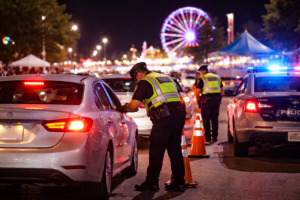
Spring festivals across South Carolina bring people together to celebrate music, food, and culture. Whether it’s the sights and sounds of Greenville or the charm of Spartanburg, these events offer a memorable experience. However, they also attract increased police activity, particularly when it comes to DUI enforcement. If you’re pulled over during or after such a festival, there are certain behaviors that law enforcement officers are trained to look for to determine if you may be under the influence of alcohol or drugs.
South Carolina has strict laws surrounding driving under the influence (DUI), and officers are vigilant during festivals to prevent accidents and keep roads safe. Knowing the signs they’re looking for can give you a better understanding of why you’re being stopped, and more importantly, help you navigate the encounter.
The Key Signs Officers Look for During DUI Stops
Police officers are trained to recognize certain signs that may indicate a driver is impaired. These behaviors, while not always definitive proof of DUI, raise suspicion and can result in a traffic stop. Here are the most common signs that officers will look for during a DUI stop after a festival:- Erratic Driving or Weaving Weaving in and out of lanes, swerving, or failing to maintain a steady speed are all signs that could raise a red flag for officers. While these actions can occur for a variety of reasons, they are commonly associated with impairment, and police will look for them when deciding whether to initiate a stop.
- Speeding and Sudden Speed Changes In the excitement of heading to or from a festival, it’s easy to slip into speeding. However, driving too fast or changing speeds abruptly can be seen as a sign that a driver is struggling to maintain control, a common trait of someone under the influence.
- Difficulty Maintaining a Straight Line Failing to drive in a straight line is another behavior police will watch for. Whether it’s due to alcohol or drugs, impaired drivers often struggle with steering and can drift out of their lane. Officers are trained to watch for drivers who cannot keep their vehicle centered within the lane.




DUI Checkpoints: What to Expect During a South Carolina Festival Stop
DUI checkpoints are common during major public events like spring festivals. These checkpoints are set up to catch drivers who may be under the influence before they can cause harm. When you approach a DUI checkpoint, there are several things you can expect, as well as some crucial steps officers will take to evaluate your sobriety:- Spotting the Signs of Impairment
Upon stopping at a checkpoint, officers will quickly assess your appearance and behavior. They’ll be looking for:
- Slurred Speech: If you have trouble speaking clearly or if your speech sounds sluggish or unclear, it may be a sign of impairment.
- Bloodshot Eyes: Alcohol and drugs can cause red, glassy eyes, which is one of the most noticeable signs officers check for.
- The Smell of Alcohol or Marijuana: Officers are trained to recognize the telltale smell of alcohol or marijuana, which could be enough to prompt further testing.
- Field Sobriety Tests
If the officer believes you may be impaired, they will likely ask you to step out of your vehicle and perform a field sobriety test. These tests are designed to evaluate your coordination, balance, and ability to follow instructions. Some common tests include:
- The Horizontal Gaze Nystagmus Test: You’ll be asked to follow a pen or flashlight with your eyes. Impaired individuals often experience involuntary jerking of the eye while tracking the object.
- The Walk-and-Turn Test: You’ll be asked to walk a straight line, heel to toe, and then turn around and walk back. Struggling to complete this simple task can indicate impairment.
- The One-Leg Stand: You will be instructed to stand on one leg while counting. Those who are impaired may have difficulty maintaining balance.
"He has an innate ability to convey to clients what really matters in their cases."
"John Bateman is my absolute go to peer in the legal field when it comes to questions about DUI. . . . He has an innate ability to convey to clients what really matters in their cases. As a fellow attorney, I highly recommend John to anyone in the SC or NC areas who are looking for... legal representation when facing a DUI charge."
M. Brock

"An excellent DUI attorney. He has received the same field sobriety test training as all police officers in the State"
"John is an excellent DUI attorney. He has received the same field sobriety test training as all police officers in the State, and also the same training as the people who are the instructors of the police officer training courses on field sobriety tests. He is very passionate about DUI's and I recommend him often to people who are facing serious charges in the upstate area."
P. Hammond
"He cares for each of his clients and works extremely hard to achieve results."
"Very knowledgeable and thorough in his preparation and representation of his clients. He cares for each of his clients and works extremely hard to achieve results. I highly recommend this lawyer."
C. Grubbs
What Happens if You Fail the Sobriety Test?
If you fail one or more of the field sobriety tests, officers may arrest you on suspicion of DUI. In South Carolina, DUI penalties can vary depending on the circumstances, but if you are arrested, it’s important to know what comes next in the process:- Chemical Testing Once arrested, you will be taken to a police station for chemical testing, which can involve either a breathalyzer test, blood test, or urine test. Refusing to take a chemical test can result in automatic license suspension under the state’s implied consent law. While you can refuse, doing so could result in severe consequences.
- Consequences of a DUI Conviction
A DUI conviction in South Carolina can result in a range of penalties including:
- Fines: Fines vary depending on the severity of the offense.
- Jail Time: First-time offenders may face a short jail sentence, while repeat offenders face longer durations behind bars.
- Community Service: DUI convictions often come with mandatory community service hours.
- License Suspension: A DUI conviction can lead to a suspension of your driver’s license for a period of time.
Related Videos
Refusing Field Sobriety Tests
Choosing a DUI Attorney
Can You Refuse a Breathalyzer Test?
Under South Carolina’s implied consent law, anyone who operates a motor vehicle in the state is deemed to have given consent to a breathalyzer or chemical test. Refusing to take a breath test is not without consequences:- If you refuse the test, you will face an automatic six-month suspension of your driver’s license.
- A refusal may be used as evidence against you in court to show that you were aware you were impaired but chose to avoid testing.
What to Do If You Are Arrested for DUI After a Festival
If you are arrested for DUI after a festival, it’s crucial to stay calm and know your rights:- Do Not Admit to Drinking or Using Drugs: You are not required to admit to having consumed alcohol or drugs, even if officers suspect you have. Simply comply with their instructions and provide your identification.
- Request an Attorney: As soon as you are arrested, request a lawyer. It is your right to have legal representation, and an experienced DUI lawyer from The Bateman Law Firm can help you navigate the legal process and challenge any evidence against you.
- Understand the Charges Against You: DUI charges in South Carolina are serious, but you don’t have to face them alone. Your attorney will explain the specific charges and potential defenses available to you.
How to Protect Your Rights During a DUI Stop
While police officers are trained to look for signs of impairment, you still have rights during a DUI stop. Here are a few tips to protect yourself:- Be Respectful and Cooperative: Always stay calm and respectful. Avoid arguing with officers, as this can escalate the situation.
- Know Your Rights: You have the right to remain silent and request an attorney during any questioning or arrest.
- Record the Interaction (When Safe to Do So): In some cases, you may want to record your interactions with officers, as long as it is done safely and legally.