
Breathalyzer tests have long been a critical part of DUI arrests. However, many people are unaware of the potential errors that can occur with these devices. In 2025, understanding these potential issues is more important than ever, especially if you find yourself arrested for driving under the influence in South Carolina. Breathalyzer tests are often viewed as infallible, but they can yield inaccurate results due to a variety of factors. If you’re facing DUI charges, knowing how these errors happen can be the key to challenging the results and possibly avoiding severe legal consequences.
350+ Reviews

5.0 Star Average


How Breathalyzers Work 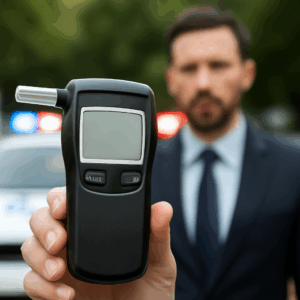
A breathalyzer is a device used by law enforcement officers to estimate your blood alcohol concentration (BAC) by analyzing the alcohol content in your breath. The process works by having a person blow into the device, which then estimates the BAC based on the amount of alcohol detected in the sample. While this process seems straightforward, it’s important to understand that several factors can affect the accuracy of the results. In theory, a breathalyzer should be able to give an accurate measurement of a person’s BAC, but in practice, several things can go wrong.
The device operates by passing a breath sample through a sensor that measures the alcohol concentration. The idea is that the alcohol in your breath correlates directly with the alcohol in your bloodstream. However, this relationship is not always perfect. There are various external and internal factors that can cause inaccurate results, which means the breathalyzer’s readings are not always a reliable reflection of your actual BAC.




Common Causes of Breathalyzer Errors
Calibration Issues
One of the most common reasons for breathalyzer errors is a failure to calibrate the device properly. Breathalyzers need to be calibrated regularly to ensure they provide accurate readings. If a breathalyzer is not calibrated properly, it may give false readings, showing a higher BAC than the actual level. Calibration involves adjusting the device to a known standard so that it consistently produces accurate results. However, if the device is not properly maintained or calibrated at regular intervals, it can easily lead to inaccurate results.
Mouth Alcohol
Mouth alcohol is another issue that can lead to inaccurate breathalyzer results. When alcohol remains in your mouth, it can affect the breathalyzer’s reading. This could happen if you’ve recently consumed alcohol or if you have alcohol residue in your mouth from drinking or even using alcohol-based mouthwash. When a person blows into the breathalyzer, it may pick up on the alcohol remaining in the mouth, rather than the alcohol content in the bloodstream, which leads to a falsely high reading. Mouth alcohol can result in a BAC reading that’s higher than your actual level of intoxication, which can be problematic if you’re arrested and charged based on this false result.
"John Bateman is my absolute go to peer in the legal field when it comes to questions about DUI. . . . He has an innate ability to convey to clients what really matters in their cases. As a fellow attorney, I highly recommend John to anyone in the SC or NC areas who are looking for... legal representation when facing a DUI charge." "John is an excellent DUI attorney. He has received the same field sobriety test training as all police officers in the State, and also the same training as the people who are the instructors of the police officer training courses on field sobriety tests. He is very passionate about DUI's and I recommend him often to people who are facing serious charges in the upstate area." "Very knowledgeable and thorough in his preparation and representation of his clients. He cares for each of his clients and works extremely hard to achieve results. I highly recommend this lawyer.""He has an innate ability to convey to clients what really matters in their cases."
M. Brock

"An excellent DUI attorney. He has received the same field sobriety test training as all police officers in the State"
P. Hammond
"He cares for each of his clients and works extremely hard to achieve results."
C. Grubbs
Environmental Factors
Another factor that can cause breathalyzer errors is the environment in which the test is conducted. Breathalyzers can be sensitive to temperature, humidity, and even air pressure. If the device is exposed to extreme temperatures—either too hot or too cold—it may malfunction or provide an inaccurate reading. For example, a breathalyzer that has been left in a hot police vehicle on a summer day might give a false result when used. Similarly, cold weather can interfere with the sensor’s ability to accurately measure the alcohol content in your breath.
Health Conditions That Affect Breathalyzer Results
Certain medical conditions can also affect the accuracy of a breathalyzer test. Conditions such as diabetes or acid reflux can lead to false positives. For instance, people with diabetes may have higher levels of acetone in their breath, which is chemically similar to alcohol. Since breathalyzers cannot distinguish between acetone and ethanol (the type of alcohol found in alcoholic beverages), the device may incorrectly register a high BAC. Similarly, people who suffer from acid reflux or GERD (gastroesophageal reflux disease) may have alcohol vapor from the stomach enter their mouth, causing the breathalyzer to detect a higher alcohol concentration.
Refusing Field Sobriety Tests Choosing a DUI AttorneyRelated Videos
Improper Administration
The accuracy of a breathalyzer test also depends on how it’s administered by the officer. If the officer does not follow the correct protocol when performing the test, the results could be unreliable. For example, officers are supposed to ensure that a suspect does not eat, drink, or smoke for at least 15 minutes before taking the test to avoid contamination from residual substances in the mouth. If this protocol is not followed, the results could be skewed, leading to inaccurate readings.
What to Do If You Suspect a Breathalyzer Error
If you believe that your breathalyzer test results are inaccurate, there are several actions you can take to protect your rights and challenge the charges against you. The first step is to request a blood test. In South Carolina, you have the right to request an independent blood test after a breathalyzer test. Blood tests are generally considered more reliable than breath tests, and they can provide a more accurate measure of your BAC.
Another option is to challenge the accuracy of the breathalyzer itself. An experienced DUI lawyer can investigate whether the device was properly calibrated and maintained. They can request calibration records and check for any inconsistencies. If the device was not properly maintained or if there’s evidence that it was faulty, this could be grounds for challenging the results in court. A breathalyzer test is not always a sure-fire piece of evidence, and an attorney can help you identify any potential errors that could work in your favor.
Challenging the Officer’s Conduct
In addition to questioning the accuracy of the breathalyzer, you can also challenge the conduct of the officer who administered the test. If the officer did not follow proper procedures during the arrest or the test itself, this could provide grounds to dismiss or reduce the charges. For example, if the officer did not wait the required amount of time before administering the test or failed to provide you with your right to request a blood test, this could undermine the validity of the entire process.
Why It’s Important to Have a DUI Lawyer
If you are facing DUI charges, it’s important to hire a lawyer who specializes in DUI defense. A DUI lawyer has the experience and knowledge needed to challenge the results of a breathalyzer test and other aspects of your case. They can investigate the breathalyzer’s calibration records, assess whether the officer followed proper procedure, and help you understand your rights.
At The Bateman Law Firm, we are dedicated to protecting your rights and helping you fight DUI charges. We know how important it is to have a strong defense when facing such serious charges, and we are committed to ensuring that you receive fair treatment throughout the legal process.
A skilled DUI lawyer can provide invaluable assistance by reviewing the evidence in your case, identifying any errors or flaws, and helping you make informed decisions about your legal options. If you believe that a breathalyzer error played a role in your arrest, a DUI attorney can help you pursue a fair resolution, whether that involves challenging the breathalyzer results or seeking a reduction in the charges.
If you are facing DUI charges and are concerned about the accuracy of your breathalyzer test, contact The Bateman Law Firm for a free consultation. We specialize in DUI defense and are committed to helping you protect your rights. Let us evaluate your case and help you explore your options for challenging the charges against you.
To learn more about this subject click here: Understanding the Complexity of Out-of-State DUI Charges