
South Carolina boasts picturesque waterways that draw boating enthusiasts from all walks of life. However, with the joy of recreational boating comes the responsibility of adhering to the state’s laws, including those related to Boating Under the Influence (BUI). If you find yourself facing a situation where law enforcement suspects you of boating under the influence, it’s crucial to understand your rights, including whether you can refuse a breathalyzer test.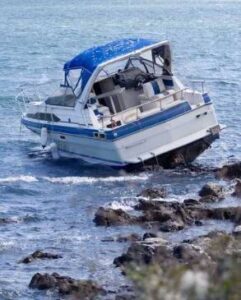
Breathalyzer Testing in BUI Cases:
Much like DUI (Driving Under the Influence) cases on the road, law enforcement in South Carolina employs breathalyzer tests to determine a boater’s blood alcohol content (BAC) on the water. The legal BAC limit for boaters in South Carolina is 0.08%, and exceeding this limit can result in serious consequences.
However, the question of whether you can refuse a breathalyzer test in a BUI case is complex. South Carolina operates under implied consent laws, which means that by operating a boat on the state’s waters, you are implicitly consenting to certain chemical tests, including breathalyzer tests, if lawfully arrested for suspected BUI.
Implied Consent and BUI:
In South Carolina, the implied consent law for boating is outlined in Section 50-21-113 of the South Carolina Code of Laws. According to this statute, any person who operates a watercraft on the waters of the state is deemed to have given their consent to chemical tests of breath, blood, or urine for the purpose of determining the presence of alcohol or drugs if arrested for a BUI offense.
While implied consent is a legal principle, it’s important to note that you do have the right to refuse a breathalyzer test. However, this choice comes with consequences that extend beyond the immediate moment of refusal.
Consequences of Refusing a Breathalyzer Test:
If you refuse to take a breathalyzer test in a BUI case, the consequences can be severe and may include both administrative and criminal penalties. Administrative penalties typically involve the suspension of your boating privileges, and these can be imposed even if you are later found not guilty of the BUI charge in court.
According to the South Carolina Department of Natural Resources, refusing a breathalyzer test in a BUI case can result in the suspension of your boating privileges for a period ranging from 60 days to six months for a first offense. For subsequent offenses, the suspension period can increase significantly.
It’s essential to understand that refusing a breathalyzer test does not guarantee immunity from other legal consequences. Law enforcement may still proceed with arresting you based on other evidence, and your refusal can be used against you in court.
Legal Defenses and Options:
If you have refused a breathalyzer test in a BUI case, it’s crucial to seek legal representation promptly. Experienced attorneys, such as those at The Bateman Law Firm, can assess the circumstances surrounding your case and explore potential defenses.
One common defense is challenging the legality of the stop or arrest. If law enforcement did not have a valid reason to stop your boat or lacked probable cause for the arrest, it could weaken the prosecution’s case. Additionally, challenging the reliability of the breathalyzer equipment or the procedures followed during the test may be another avenue for defense.
Understanding your rights and the potential defenses available to you is vital when facing a BUI charge in South Carolina. The legal system is complex, and having a knowledgeable attorney by your side can make a significant difference in the outcome of your case.
Navigating the Waters of Legal Consequences:
Facing a BUI charge can be daunting, but understanding the potential consequences and your legal rights is the first step toward navigating these turbulent waters. Beyond the immediate legal ramifications, a BUI charge can have long-lasting effects on your life, including increased insurance premiums, fines, and the potential for a criminal record.
It’s important to recognize that BUI cases involve both administrative and criminal proceedings. The administrative side often deals with the suspension of boating privileges, while the criminal aspect addresses potential fines, probation, and even incarceration. Consulting with a skilled attorney is crucial to building a robust defense strategy tailored to the specifics of your case.
Challenging the Results:
Refusing a breathalyzer test does not necessarily mean the end of your defense options. Even if you submitted to the test, there may be grounds to challenge the results. Breathalyzer equipment requires regular calibration and maintenance, and any lapses in these procedures could compromise the accuracy of the readings.
Additionally, factors such as medical conditions, medications, or even certain diets may influence the reliability of breathalyzer results. A seasoned attorney can investigate these elements and cast doubt on the veracity of the evidence against you.
Boating enthusiasts in South Carolina should be aware of the legal implications of boating under the influence and the consequences of refusing a breathalyzer test. While you technically have the right to refuse, it’s important to weigh the potential penalties and consider seeking legal counsel if you find yourself facing a BUI charge.
The Bateman Law Firm focuses on handling BUI cases and can provide the guidance and representation you need. Our experienced attorneys understand the intricacies of South Carolina’s boating laws and can help you navigate the legal process effectively.
If you’re facing a BUI charge or have questions about your rights, contact The Bateman Law Firm today for a consultation. We are committed to protecting your rights and providing the legal support you need during this challenging time.