
In South Carolina, DUI (Driving Under the Influence) and DUAC (Driving with an Unlawful Alcohol Concentration) are both serious offenses that can result in severe consequences, including fines, jail time, and a criminal record. While both charges involve driving while impaired, they are distinct in how they are defined, proven in court, and penalized. Understanding these differences is critical for anyone who faces such charges, as it can significantly impact the defense strategy. The Bateman Law Firm, specializing in DUI defense, is here to help those facing these charges in Greenville, SC, and beyond.
350+ Reviews

5.0 Star Average




Understanding DUI and DUAC in South Carolina 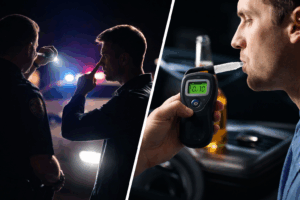
While DUI and DUAC charges both stem from impaired driving, the legal standards, penalties, and evidence requirements are different. Let’s break down what each term means and how they differ under South Carolina law.
What is DUI?
DUI stands for Driving Under the Influence, which generally refers to operating a vehicle while impaired by alcohol, drugs, or a combination of both. It doesn’t require a specific alcohol concentration level for conviction; rather, law enforcement officers evaluate the driver’s level of impairment through a variety of methods. The key component of a DUI charge is that the driver’s ability to operate the vehicle is impaired, and it is up to the officer’s discretion, along with evidence gathered, to determine this.
In South Carolina, DUI charges can arise from:
- Alcohol Impairment: A person driving under the influence of alcohol may be impaired even if their blood alcohol concentration (BAC) is below the legal limit of 0.08%.
- Drug Impairment: DUI also includes impairment from illegal drugs, prescription medications, or over-the-counter substances that affect one’s ability to drive safely. It doesn’t matter if the drug in question is legal if it impairs the driver’s ability to operate a vehicle.
- Combination of Alcohol and Drugs: A person can be charged with DUI if both alcohol and drugs impair their driving abilities.
To establish a DUI charge, an officer may use several tests, including field sobriety tests (such as walking a straight line or standing on one leg) and a breathalyzer. If necessary, a blood test can also be used to assess impairment. It is important to note that a DUI conviction does not require that the driver was over the legal alcohol limit; it is merely about whether their ability to drive was impaired.




What is DUAC?
DUAC stands for Driving with an Unlawful Alcohol Concentration. Unlike DUI, which focuses on impairment due to any substance, DUAC specifically involves alcohol and occurs when a driver’s BAC is found to be 0.08% or higher. This charge is based on a straightforward, measurable standard: a BAC reading of 0.08% or more, regardless of whether the driver is visibly impaired.
DUAC is an alcohol-only charge and can be proven based solely on chemical test results. A breathalyzer test or blood test is the primary way that DUAC is determined. In contrast to DUI, the prosecution does not need to show impairment through field sobriety tests or officer observations—just a BAC that meets or exceeds the legal limit is enough to secure a DUAC charge.
Key Differences Between DUI and DUAC
The differences between DUI and DUAC can be crucial in determining the course of a case, and understanding these differences may influence your defense strategy. Below are the most notable distinctions:
- Legal Standard for Conviction
- DUI: To convict someone of DUI, the prosecution must prove that the driver was impaired by alcohol, drugs, or a combination of both, and that this impairment affected their ability to drive safely. Impairment is often established through a combination of field sobriety tests, the officer’s observations, and chemical test results (if applicable). There is no set alcohol concentration level for a DUI conviction, meaning that even if a driver’s BAC is below 0.08%, they may still be convicted if impairment is demonstrated.
- DUAC: DUAC charges are based specifically on alcohol consumption. The law only considers BAC readings of 0.08% or higher, and a conviction can be secured based solely on a chemical test result—no additional evidence of impairment is necessary. DUAC does not take into account whether the driver was visibly impaired in any way.
- Testing Methods and Evidence
- DUI: Testing for DUI impairment involves field sobriety tests, breath tests, and possibly blood tests. The officer’s observations and the results of these tests contribute to the evidence of impairment. It is important to note that while breathalyzer results can be used in a DUI case, they must be administered correctly, and the driver’s refusal to take a breathalyzer test can lead to separate consequences, including license suspension.
- DUAC: DUAC is primarily determined by the BAC reading. The most common method of testing is the breathalyzer test, but a blood test can also be used. The law is clear that if a driver has a BAC of 0.08% or higher, they are considered to have committed the offense of DUAC, regardless of their actual impairment.
"John Bateman is my absolute go to peer in the legal field when it comes to questions about DUI. . . . He has an innate ability to convey to clients what really matters in their cases. As a fellow attorney, I highly recommend John to anyone in the SC or NC areas who are looking for... legal representation when facing a DUI charge." "John is an excellent DUI attorney. He has received the same field sobriety test training as all police officers in the State, and also the same training as the people who are the instructors of the police officer training courses on field sobriety tests. He is very passionate about DUI's and I recommend him often to people who are facing serious charges in the upstate area." "Very knowledgeable and thorough in his preparation and representation of his clients. He cares for each of his clients and works extremely hard to achieve results. I highly recommend this lawyer.""He has an innate ability to convey to clients what really matters in their cases."
M. Brock

"An excellent DUI attorney. He has received the same field sobriety test training as all police officers in the State"
P. Hammond
"He cares for each of his clients and works extremely hard to achieve results."
C. Grubbs
Penalties and Consequences
Both DUI and DUAC charges come with significant penalties, but the consequences for a conviction can vary depending on the specifics of the case and whether it is a first-time offense or a repeat occurrence.
- DUI Penalties: DUI penalties in South Carolina are graduated based on the number of prior offenses. For a first offense, penalties may include fines, mandatory alcohol education programs, community service, and possibly jail time, depending on the circumstances. Second and third offenses bring harsher penalties, including longer license suspensions, higher fines, and the possibility of longer jail sentences.
- DUAC Penalties: DUAC penalties can be severe as well. A first-time DUAC offender faces a fine, possible jail time, and mandatory alcohol education programs. However, because DUAC is based on a measurable BAC, it is often viewed as more straightforward to prosecute than DUI, and the penalties for repeat offenses can include harsher fines and longer license suspensions.
Potential Defenses Against DUI and DUAC Charges
When it comes to defending against DUI and DUAC charges, the strategies can differ due to the nature of the offenses:
- DUI Defense:
- Challenging the officer’s observations: If the arresting officer made an incorrect judgment about the driver’s impairment, it could form the basis of a defense.
- Questioning the validity of the field sobriety tests: These tests are subjective, and an attorney can argue that external factors, such as road conditions or medical conditions, influenced the results.
- Contesting the results of chemical tests: Breathalyzer and blood tests are not foolproof and can be subject to error. A defense attorney may argue that the test was improperly administered or that the equipment malfunctioned.
- DUAC Defense:
- Challenging the accuracy of the BAC test: DUAC charges rely heavily on BAC results. If the BAC test was improperly administered or the equipment was malfunctioning, this could serve as a strong defense.
- Arguing the BAC reading was inaccurate: An attorney may also argue that the BAC was influenced by factors such as burping or regurgitation, which can cause alcohol to enter the mouth and affect the breathalyzer result.
Refusing Field Sobriety Tests Choosing a DUI AttorneyRelated Videos
Both DUI and DUAC charges in South Carolina are serious and can lead to lasting consequences. If you have been arrested or charged with DUI or DUAC, it is essential to understand your rights and legal options. The Bateman Law Firm has extensive experience defending clients in DUI and DUAC cases in Greenville, SC, and surrounding areas. Our team of skilled attorneys can help you build a strong defense and work toward the best possible outcome in your case.
Don’t face DUI or DUAC charges alone—contact The Bateman Law Firm today for a consultation.
To learn more about this subject click here: 6 Ways to Have Your DUI Charges Reduced</h3