
In Spartanburg, South Carolina, legal consequences for alcohol-related offenses can vary significantly depending on the circumstances. Public intoxication and driving under the influence (DUI) are two distinct charges that individuals might face when their behavior is affected by alcohol. The Bateman Law Firm is here to shed light on these two charges, their requirements, and the potential consequences associated with each.
Understanding Public Intoxication
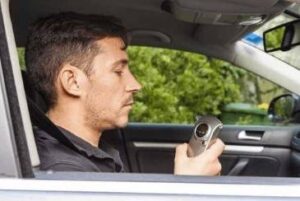 Public intoxication, commonly referred to as “public drunk,” occurs when an individual appears to be under the influence of alcohol or drugs in a public place to the extent that their behavior is deemed dangerous to themselves or others. While public intoxication is typically not a criminal offense in South Carolina, it can result in the individual being detained until they sober up or potentially receiving a citation. The aim of this law is to maintain public order and safety.
Public intoxication cases are typically handled by local law enforcement, and officers use their discretion to determine if an individual’s behavior qualifies as public intoxication. To be charged with public intoxication, the following factors are generally considered:
- Visible Impairment: The individual must display clear signs of impairment, such as slurred speech, unsteady gait, or impaired motor skills.
- Public Place: The offense must occur in a public space, which can include streets, parks, bars, restaurants, and other areas accessible to the public.
- Potential Danger: The individual’s behavior must pose a threat to their own safety or the safety of others around them.
Driving Under the Influence (DUI) in Spartanburg
Driving under the influence (DUI) is a more serious offense compared to public intoxication. It involves operating a vehicle while under the influence of alcohol or drugs to the extent that it impairs the driver’s ability to operate the vehicle safely. DUI laws aim to prevent accidents and protect the lives of both drivers and pedestrians.
In Spartanburg, SC, the legal blood alcohol concentration (BAC) limit for drivers over the age of 21 is 0.08%. For drivers under 21, a BAC of 0.02% or higher can result in DUI charges. Commercial drivers are subject to a stricter limit of 0.04% BAC.
To be charged with DUI, law enforcement typically needs to establish the following elements:
- Driving: The individual must be operating a vehicle, including cars, trucks, motorcycles, or any other motorized vehicles.
- Impairment: The driver’s ability to operate the vehicle safely must be impaired due to alcohol or drugs.
- BAC Level: If a driver’s BAC exceeds the legal limit, it can be used as evidence of impairment, though impairment can also be demonstrated through other means.
Consequences of Public Intoxication and DUI
While public intoxication is not a criminal offense in South Carolina, it can still lead to undesirable outcomes. Individuals detained for public intoxication may be held until they sober up, which could be an inconvenience. They might also receive a citation, which could carry a fine. However, this citation is not a criminal record, and it does not result in the loss of driving privileges.
On the other hand, DUI is a criminal offense with more severe penalties. Penalties for DUI in Spartanburg, SC, can include fines, license suspension, mandatory alcohol education programs, probation, and even imprisonment. The severity of these penalties can increase for repeat offenders or if the DUI incident resulted in property damage, injury, or loss of life.
Seeking Legal Counsel
Facing charges of public intoxication or DUI can be distressing, and individuals need proper legal guidance to navigate the legal process and protect their rights. The Bateman Law Firm specializes in handling cases related to alcohol-related offenses in Spartanburg, SC. Our experienced attorneys understand the nuances of these charges and can help build a strong defense strategy tailored to each client’s unique situation.
Exploring Rehabilitation and Prevention
In addressing the issues of public intoxication and DUI, it’s important to consider not only the legal consequences but also the broader implications for individuals and the community. Beyond legal matters, there’s a strong emphasis on rehabilitation, education, and prevention.
Rehabilitation Programs
For individuals who have been charged with DUI, many jurisdictions, including Spartanburg, offer rehabilitation programs as an alternative or supplement to traditional penalties. These programs aim to address the root causes of alcohol-related offenses and provide education and support to help individuals make positive changes in their behavior.
Rehabilitation programs may include:
- Alcohol Education: These programs provide information about the risks of alcohol abuse and its effects on driving ability, health, and well-being.
- Counseling and Therapy: Therapy sessions can help individuals address underlying issues that contribute to their alcohol use, such as stress, anxiety, or trauma.
- Support Groups: Group therapy and support networks can be valuable resources for individuals working towards sobriety, providing a sense of community and understanding.
- Ignition Interlock Devices: In some cases, individuals convicted of DUI may be required to install ignition interlock devices in their vehicles. These devices measure the driver’s BAC before allowing the vehicle to start, serving as a preventive measure against further drunk driving.
Education and Prevention
Preventing alcohol-related offenses begins with education and raising awareness about the potential consequences of irresponsible alcohol consumption. Community organizations, schools, and law enforcement agencies in Spartanburg often collaborate to educate individuals about the dangers of public intoxication and DUI.
Key prevention strategies include:
- Youth Education: Schools play a vital role in teaching young people about responsible alcohol use and the legal drinking age. Educational programs can highlight the risks of underage drinking and the impact it can have on future opportunities.
- Community Outreach: Police departments and community organizations often organize events and campaigns to inform the public about the dangers of drunk driving. These efforts encourage designated drivers, rideshare services, and other safe alternatives.
- Sobriety Checkpoints: Law enforcement agencies may conduct sobriety checkpoints to deter drunk driving and identify individuals who may be driving under the influence.
- Public Awareness Campaigns: Through media campaigns and public service announcements, communities can spread awareness about the legal consequences of alcohol-related offenses and the importance of responsible drinking.
In Spartanburg, SC, public intoxication and driving under the influence (DUI) are two distinct charges, each with its own set of requirements and potential consequences. While public intoxication might not result in criminal charges, DUI can lead to serious legal repercussions. It’s crucial for individuals to understand the differences between these charges and to seek legal counsel if facing either situation.
If you or a loved one are dealing with allegations of public intoxication or DUI in Spartanburg, the experienced attorneys at The Bateman Law Firm are here to help. Our team is dedicated to providing personalized legal representation and guiding you through the legal process. Contact us today for a consultation to discuss your case and explore your options. Your future and rights deserve protection, and we are committed to ensuring the best possible outcome for your situation.