
When temperatures drop, the body’s response to alcohol becomes unpredictable, and the effects of drinking in cold weather can be more intense than expected. Many people mistakenly believe that alcohol helps them stay warm, but the truth is that drinking in cold conditions can lead to increased risks of alcohol poisoning, hypothermia, and accidents. At The Bateman Law Firm, we see numerous DUI cases tied to winter conditions, and understanding how blood alcohol levels behave in the cold can help prevent dangerous situations. This guide will help you better understand the effects of drinking in winter and how to stay safe.
350+ Reviews

5.0 Star Average




How Cold Weather Affects Your Body’s Reaction to Alcohol 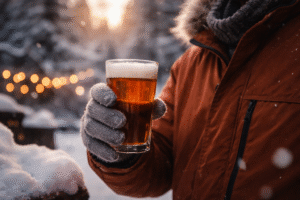
Drinking alcohol during the winter can have a significantly different effect on your body than it would in warmer months. When alcohol enters your bloodstream, it dilates blood vessels, causing your body to lose heat. In cold weather, this process accelerates, and you might feel a temporary warmth, which can be misleading. While it feels like you’re warmer, your body is actually losing heat, which increases the risk of hypothermia. Your body is already working harder to regulate your temperature in cold weather, and alcohol disrupts this natural process, making it harder for you to detect symptoms of cold exposure. This heightened risk can lead to dangerous consequences, especially when you’re out in the cold for long periods.
Why Blood Alcohol Concentration (BAC) is Different in Cold Weather
Blood alcohol concentration (BAC) is affected by many factors, including the weather. Cold temperatures can influence how alcohol is absorbed into the bloodstream. In cold conditions, the digestive system functions more slowly, which delays the absorption of alcohol. As a result, alcohol may take longer to take effect, but once it does, it can hit harder. The slower absorption can be deceptive, leading individuals to consume more alcohol than they normally would. This delay means that you may feel relatively sober at first, but once the alcohol fully enters your system, your BAC could be higher than expected.
Additionally, the effects of alcohol may be harder to notice in cold weather. Normally, when alcohol reaches the bloodstream, it impairs motor skills and judgment. However, cold weather can mask these symptoms, making it harder for individuals to assess how intoxicated they actually are. This phenomenon leads to dangerous decisions, such as driving or operating machinery when you are, in fact, impaired.




The Dangers of Drinking and Driving in Winter Conditions
Drinking and driving is always a serious risk, but the danger escalates in winter months. Slippery roads, reduced visibility, and impaired judgment due to alcohol all contribute to a higher likelihood of accidents. The cold weather itself makes driving more challenging, but alcohol further impairs your coordination and decision-making abilities. Combined, these factors can lead to serious accidents, some of which can be fatal.
It is especially important to understand how your BAC can creep up in colder temperatures, sometimes unnoticed. The body may struggle to process alcohol when it is already working hard to maintain its internal temperature. If you have been drinking in cold conditions, even if you don’t feel as affected as you would in warmer weather, it’s critical to evaluate whether you’re fit to drive. At The Bateman Law Firm, we know that winter conditions often contribute to DUI cases, and staying mindful of your alcohol consumption and its effects in the cold is key to avoiding legal issues and accidents.
Why Alcohol Can Cause Hypothermia in Cold Weather
Hypothermia occurs when your body loses heat faster than it can produce it, causing your core temperature to drop below the normal range. Alcohol accelerates this process by dilating blood vessels, which causes blood to flow closer to the skin’s surface. This, in turn, leads to a loss of body heat. When combined with exposure to cold weather, alcohol can make you more susceptible to hypothermia, which can be life-threatening if not addressed quickly.
Hypothermia symptoms include shivering, confusion, slurred speech, and extreme fatigue. Alcohol impairs your ability to notice these early warning signs, which can make it harder to detect when you are in danger. As a result, it’s essential to avoid drinking alcohol outdoors in the cold or when you are exposed to frigid temperatures for extended periods.
The Importance of Moderation When Drinking in Cold Weather
Moderation is always important when drinking, but it becomes especially critical in cold conditions. Alcohol can make you feel warmer initially, leading to an underestimation of how cold it really is. To avoid dangerous situations, it’s important to drink slowly, stay aware of your body’s response to alcohol, and take regular breaks to warm up. If you’re in a situation where you’re drinking outdoors or in cold conditions, ensure you have access to warm shelter and dry clothing, and make sure you’re not alone. The buddy system is a valuable safety measure when drinking in cold weather, as others can help keep you accountable and assist in getting help if needed.
It’s also wise to avoid drinking on an empty stomach, as food helps slow the absorption of alcohol. Eating can help mitigate some of the effects of alcohol, although it won’t eliminate the risks altogether. Always be mindful of your body’s response and err on the side of caution when drinking in cold weather.
"John Bateman is my absolute go to peer in the legal field when it comes to questions about DUI. . . . He has an innate ability to convey to clients what really matters in their cases. As a fellow attorney, I highly recommend John to anyone in the SC or NC areas who are looking for... legal representation when facing a DUI charge." "John is an excellent DUI attorney. He has received the same field sobriety test training as all police officers in the State, and also the same training as the people who are the instructors of the police officer training courses on field sobriety tests. He is very passionate about DUI's and I recommend him often to people who are facing serious charges in the upstate area." "Very knowledgeable and thorough in his preparation and representation of his clients. He cares for each of his clients and works extremely hard to achieve results. I highly recommend this lawyer.""He has an innate ability to convey to clients what really matters in their cases."
M. Brock

"An excellent DUI attorney. He has received the same field sobriety test training as all police officers in the State"
P. Hammond
"He cares for each of his clients and works extremely hard to achieve results."
C. Grubbs
What to Do if You Suspect Alcohol Poisoning or Hypothermia
If you or someone else shows signs of alcohol poisoning or hypothermia, it’s critical to act immediately. Symptoms of alcohol poisoning include confusion, vomiting, slow or irregular breathing, and unconsciousness. In cases of hypothermia, you may notice signs such as extreme shivering, confusion, slurred speech, or even loss of consciousness.
Seek medical attention immediately if you suspect either condition. While waiting for help, try to warm the person slowly by using blankets, warm clothing, and warm, non-alcoholic beverages. Never attempt to warm someone too quickly, as it can cause further complications.
Legal Considerations When Drinking in Cold Weather
If you’re planning to drink alcohol during cold weather, it’s important to understand the legal implications. In South Carolina, like many states, the legal limit for blood alcohol concentration (BAC) is 0.08%. However, even at lower BAC levels, alcohol can impair your ability to perform tasks safely, including driving. In cold weather, your BAC may be higher than you realize due to the delayed absorption and the masking effects of alcohol, so always exercise caution when consuming alcohol in winter conditions.
If you’re arrested for DUI in South Carolina, penalties can range from fines to license suspension, mandatory alcohol education programs, and even jail time. At The Bateman Law Firm, we help clients navigate DUI cases by providing strategic legal advice and defense. If you’ve been charged with DUI during the winter months, it’s critical to contact a lawyer who understands how alcohol consumption in cold weather affects your legal situation.
Refusing Field Sobriety Tests Choosing a DUI AttorneyRelated Videos
How to Stay Safe While Drinking in Cold Weather
To stay safe when drinking in cold weather, follow these essential guidelines:
- Monitor your alcohol intake: Drink in moderation, and always know your limits.
- Dress in layers: Layering clothing helps retain body heat, even if alcohol makes you feel warmer.
- Stay active: Physical movement helps generate heat, but avoid overexertion, as it can make you more prone to injury in cold weather.
- Don’t drink and drive: If you’ve been drinking, use public transportation, a designated driver, or a ride-sharing service to get home safely.
- Stay indoors when possible: If the temperature is extremely cold, avoid spending long periods of time outside while drinking.
Drinking alcohol in cold weather comes with a unique set of risks that can affect both your body and your ability to make sound decisions. Understanding how cold temperatures influence blood alcohol levels and how alcohol interacts with your body’s response to the cold can help you make safer choices. Whether you’re out with friends, celebrating the season, or just enjoying a drink, always be aware of the risks and take steps to stay safe.
If you find yourself facing DUI charges in the winter months, or if you’ve been involved in an alcohol-related incident, contact The Bateman Law Firm. Our experienced DUI attorneys in Greenville, SC, are here to help you understand your rights and defend you throughout the legal process.
To learn more about this subject click here: Not All DUI Charges Are Misdemeanors. Here’s How a DUI Can Become a Felony