
During a DUI stop in South Carolina, law enforcement officers are trained to observe a variety of signs that can indicate impairment. Knowing what officers are looking for and how to respond can help protect your rights. This guide explains the key signs officers are watching for during a DUI stop, what you should do during the encounter, and how to handle the situation to ensure the best possible outcome.
350+ Reviews

5.0 Star Average




Signs of Impairment: What Officers Look for Before and During the Stop 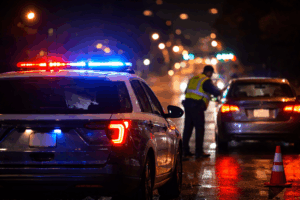
When you’re pulled over by law enforcement in South Carolina, the officer is not only assessing whether you are following traffic laws but also looking for signs of impairment. DUI stops are designed to ensure the safety of all drivers on the road, and officers have a checklist of observations they make before and during the stop. Here’s what they look for:
Erratic Driving Behavior
One of the first things officers notice is your driving behavior. A police officer will typically observe your driving before they even pull you over. If you’re swerving between lanes, hitting curbs, or driving in an unpredictable manner, it immediately raises suspicion. Even simple mistakes like failing to signal or driving too slowly can indicate to an officer that you might be impaired.
- Failure to Maintain Lane: If you’re unable to keep your vehicle within its lane, it could indicate that your motor skills are affected, which is a common sign of impairment.
- Weaving: Weaving in and out of lanes, or swerving unnecessarily, might prompt an officer to pull you over.
- Speeding or Driving Too Slowly: Excessive speeding or driving too slowly without reason can be an indication of a driver’s inability to judge speed or distance, a symptom of alcohol or drug impairment.
The officer will use these early observations to justify pulling you over. If the officer believes your driving is impaired, they will approach the vehicle with heightened caution.




The Physical Indicators of Impairment
Once you’ve been pulled over, the officer will examine various physical cues to determine if you show signs of impairment. These signs can be subtle, but they provide officers with the necessary information to proceed further.
Physical Appearance
Your physical appearance can tell an officer a lot. Some key signs officers look for include:
- Bloodshot or Watery Eyes: A common sign of alcohol or drug use, bloodshot eyes can be an immediate indicator of impairment. It may be especially noticeable under certain lighting conditions, such as at night or during a roadside stop.
- Flushed Skin: Alcohol consumption often causes the skin to redden, especially around the face. This could signal that you’ve been drinking.
- Unsteady Movements: Officers pay attention to how you move. If you’re unsteady or have difficulty getting out of your vehicle, this could indicate that your coordination is impaired.
An officer’s goal is to gather as much evidence as possible to support their suspicion of impaired driving. If you appear disoriented or have trouble moving, this could serve as evidence that you are under the influence.
"John Bateman is my absolute go to peer in the legal field when it comes to questions about DUI. . . . He has an innate ability to convey to clients what really matters in their cases. As a fellow attorney, I highly recommend John to anyone in the SC or NC areas who are looking for... legal representation when facing a DUI charge." "John is an excellent DUI attorney. He has received the same field sobriety test training as all police officers in the State, and also the same training as the people who are the instructors of the police officer training courses on field sobriety tests. He is very passionate about DUI's and I recommend him often to people who are facing serious charges in the upstate area." "Very knowledgeable and thorough in his preparation and representation of his clients. He cares for each of his clients and works extremely hard to achieve results. I highly recommend this lawyer.""He has an innate ability to convey to clients what really matters in their cases."
M. Brock

"An excellent DUI attorney. He has received the same field sobriety test training as all police officers in the State"
P. Hammond
"He cares for each of his clients and works extremely hard to achieve results."
C. Grubbs
Behavioral Clues: Speech and Actions
Beyond your physical appearance, officers will also be listening for clues in your behavior. The way you speak, your tone, and how you respond to questions can all provide indicators of impairment.
Slurred Speech
One of the most common signs of alcohol impairment is slurred speech. Officers will listen carefully to how you speak when answering questions. If your words are slurred or you have difficulty forming coherent sentences, it may suggest that alcohol or drugs have impaired your cognitive functions.
Slow or Unsteady Speech: Officers will be looking for signs that your speech lacks its usual clarity. If you take longer to respond or need more time to gather your thoughts, it might be a clue of intoxication.
Confused or Agitated Behavior
An impaired driver may appear agitated or overly anxious. If you become defensive when speaking with the officer, this could raise suspicion. It is important to remain calm and polite during the interaction to avoid drawing attention to any behaviors that could suggest impairment.
Field Sobriety Tests: What to Expect and How Officers Use Them
If an officer believes you are impaired after observing the signs above, they will likely ask you to perform field sobriety tests. These tests are designed to assess your balance, coordination, and ability to follow instructions. The officer will be looking for signs that you are unable to perform the tests as expected.
Refusing Field Sobriety Tests Choosing a DUI AttorneyRelated Videos
Standard Field Sobriety Tests (SFSTs)
There are three primary tests that officers typically use to assess impairment during a DUI stop in South Carolina:
- Horizontal Gaze Nystagmus (HGN) Test: In this test, the officer will ask you to follow a moving object (usually a pen or flashlight) with your eyes. If your eyes jerk involuntarily when following the object, it could indicate impairment.
- Walk-and-Turn Test: This test involves walking heel-to-toe along a straight line. Officers observe your ability to maintain balance and follow instructions. Difficulty completing this task can suggest impairment.
- One-Leg Stand Test: In this test, you’ll be asked to stand on one leg while counting aloud. Officers look for signs of unsteadiness or inability to balance as key indicators of intoxication.
Failure to perform these tests adequately can be used as evidence against you in a DUI case. However, it’s important to know that these tests are not foolproof. If you believe you cannot perform them due to injury or other reasons, it’s essential to communicate that to the officer.
Chemical Testing: Breath, Blood, or Urine Tests
If you fail the field sobriety tests or if the officer suspects that you are under the influence, they will likely request a chemical test to measure your blood alcohol content (BAC). In South Carolina, this could be a breath test, blood test, or even a urine test, depending on the situation.
Breath Test (Breathalyzer)
If you’re asked to take a breathalyzer, the officer will use the device to measure the alcohol in your breath. In South Carolina, the legal limit for BAC is 0.08%. If you refuse to take a breath test, you may face immediate consequences under South Carolina’s implied consent laws.
Blood and Urine Tests
In cases where alcohol is not suspected, such as with drug impairment, a blood or urine test may be requested. This test will be more thorough and is often used when there are concerns about drugs or controlled substances in your system.
What Happens After a DUI Arrest?
If you are arrested for a DUI in South Carolina, the consequences can be serious. Here’s what you need to know about what happens next:
License Suspension
In South Carolina, a DUI arrest can lead to the immediate suspension of your driver’s license. This is known as an administrative suspension, and you can request a hearing to challenge it. Having an experienced DUI attorney can help you navigate this process.
Criminal Charges
A DUI arrest could lead to criminal charges. If convicted, you could face fines, community service, mandatory alcohol education classes, and potentially even jail time, depending on the severity of the offense and whether it was your first or a repeat offense.
What Should You Do If You Are Arrested for DUI in South Carolina?
If you’re arrested for DUI in South Carolina, it’s critical to understand your rights and the best steps to take. Here are some essential tips:
Contact an Experienced DUI Attorney
As soon as possible after your arrest, reach out to a qualified DUI attorney. The Bateman Law Firm offers free consultations to help you understand your options. A DUI attorney will help you challenge the charges, negotiate a plea deal, or represent you in court.
Do Not Speak to Police Without Legal Counsel
Remember, you have the right to remain silent. While you must provide your driver’s license and registration, you do not have to answer questions that could incriminate you. It’s best to wait for your attorney before providing further statements.
Consider the Consequences of Refusing Tests
In South Carolina, refusing to take a chemical test (breath, blood, or urine) can result in significant consequences, including an automatic suspension of your driver’s license. If you’re unsure whether to refuse or consent, your attorney can provide advice during the legal proceedings.
Why You Need Legal Representation After a DUI Arrest
Being charged with a DUI in South Carolina can result in severe consequences that affect your driving privileges, your finances, and your criminal record. At The Bateman Law Firm, we understand the complexity of DUI cases, and we are here to provide aggressive defense strategies to help reduce or dismiss charges.
Whether this is your first offense or a repeat charge, it’s crucial to have an experienced attorney by your side. Contact The Bateman Law Firm for a free consultation today to discuss your case.
If you’ve been arrested for DUI in South Carolina, don’t wait to get legal help. The Bateman Law Firm offers free consultations, and our experienced attorneys are ready to assist you in defending your rights. Call us today to discuss your DUI case and take the first step toward protecting your future.
To learn more about this subject click here: DUI Manslaughter Charges: Legal Ramifications in South Carolina