
Yes. Prescription medication can support a DUI charge in South Carolina when the medication, by itself or combined with another substance, materially and appreciably impairs your ability to drive. A valid prescription can explain why a drug was in your system, but it does not automatically resolve a DUI allegation. South Carolina Code Section 56-5-2930 focuses on impairment, including impairment caused by another drug, a combination of drugs or substances, or alcohol combined with drugs.
The Bateman Law Firm represents drivers facing DUI accusations in Greenville, Clemson, Spartanburg, and nearby Upstate South Carolina communities. These cases can involve prescription medication, medical conditions, chemical testing, roadside observations, and disputed evidence of impairment.
350+ Reviews

5.0 Star Average




Prescription Medication Can Support a DUI Charge in South Carolina 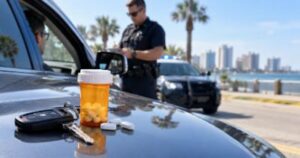
Many people associate DUI with alcohol or illegal drugs. South Carolina law also applies when another drug, a combination of drugs or substances, or alcohol combined with drugs materially and appreciably impairs a person’s faculties to drive.
A medication can be lawfully prescribed, lawfully possessed, and taken for a legitimate medical reason while still becoming part of a DUI investigation. The central issue is whether the State can prove the level of impairment required by law.
Your prescription can still matter. It may help establish:
- What medication you were taking
- The prescribed dosage
- When the medication was prescribed
- Why you were taking it
- When you last took a dose
- Whether the medication had recently changed
Those facts can help your lawyer compare the medication timeline with the officer’s observations, video evidence, chemical testing, and your medical history.
For more information about defending this type of allegation, see:
A prescription explains lawful use. It does not answer whether you were impaired while driving.




Which Prescription Medications May Raise Driving Concerns?
There is no single list of prescription drugs that automatically creates a DUI charge. The issue is how a substance affected your ability to drive at the time in question.
Medication categories that may receive attention during an impaired-driving investigation can include:
- Opioid pain medications
- Benzodiazepines and other sedating anti-anxiety medications
- Sleep medications
- Muscle relaxants
- Certain seizure medications
- Some antidepressant or antipsychotic medications
- Prescription stimulants
- Other medications that may cause drowsiness, dizziness, confusion, slowed reaction time, or coordination problems
The effects of prescription medication can vary based on dosage, timing, tolerance, health conditions, recent medication changes, sleep, food intake, and interactions with other drugs. Alcohol can also change how a prescription medication affects you.
A warning label that advises you not to drive until you know how a medication affects you may become part of the surrounding evidence. The label alone does not establish that you were materially and appreciably impaired at a particular time.
"John Bateman is my absolute go to peer in the legal field when it comes to questions about DUI. . . . He has an innate ability to convey to clients what really matters in their cases. As a fellow attorney, I highly recommend John to anyone in the SC or NC areas who are looking for... legal representation when facing a DUI charge." "John is an excellent DUI attorney. He has received the same field sobriety test training as all police officers in the State, and also the same training as the people who are the instructors of the police officer training courses on field sobriety tests. He is very passionate about DUI's and I recommend him often to people who are facing serious charges in the upstate area." "Very knowledgeable and thorough in his preparation and representation of his clients. He cares for each of his clients and works extremely hard to achieve results. I highly recommend this lawyer.""He has an innate ability to convey to clients what really matters in their cases."
M. Brock

"An excellent DUI attorney. He has received the same field sobriety test training as all police officers in the State"
P. Hammond
"He cares for each of his clients and works extremely hard to achieve results."
C. Grubbs
What Police May Look for During a Prescription Drug DUI Stop
A prescription drug DUI investigation may begin after a traffic stop, collision, checkpoint encounter, or another lawful police contact. An officer may rely on several types of evidence when deciding whether to make an arrest.
Police may document:
- Lane position, braking, speed, or delayed reactions
- Speech, balance, coordination, alertness, and responsiveness
- Performance on field sobriety exercises
- Statements about prescription medications and the timing of a dose
- Prescription containers found during the investigation
- Dash-camera or body-camera footage
- Breath, blood, or urine test results
- Evidence that alcohol and medication were used together
Those observations need context. Fatigue, anxiety, injury, illness, neurological conditions, footwear, road conditions, and other factors can affect how you look or perform during a roadside investigation.
The firm discusses medical issues that may affect DUI evidence here:
https://duigreenville.com/medical-conditions-dui-lawyer-greenville/
Can You Face a DUI With a 0.00 Breath Test?
Yes. A breath test measures alcohol concentration. A low or 0.00 alcohol reading does not necessarily end an investigation when an officer suspects that a drug or a combination of alcohol and drugs caused impairment.
South Carolina Code Section 56-5-2950 addresses implied consent testing after an arrest for suspected impaired driving. A person who drives in South Carolina is considered to have given consent to chemical tests of breath, blood, or urine under the circumstances described in the statute.
The statute requires the arresting officer to first offer a breath test. If the officer has reasonable suspicion that drugs other than alcohol, or a combination of alcohol and drugs, caused impairment, the officer may order a urine sample. Section 56-5-2950 also allows an officer to request a blood sample when the person is physically unable to provide an acceptable breath sample for a reason accepted by licensed medical personnel.
A laboratory result showing that a prescription drug was present can be relevant evidence, but drug presence and legal impairment are separate questions. Depending on the medication and testing method, a drug or metabolite may remain detectable after its effects have changed.
A defense review may examine:
- What substance the laboratory identified
- Whether the test reported a concentration or only detected presence
- When the sample was collected
- How the sample was collected and handled
- Whether approved procedures were followed
- Whether the result fits the timing of the alleged driving
- Whether other evidence supports or conflicts with an impairment claim
For more information about implied consent testing and related license issues, see:
https://duigreenville.com/implied-consent-greenville-sc/
Refusing Field Sobriety Tests Choosing a DUI AttorneyRelated Videos
What Must the State Prove in a Prescription Medication DUI Case?
A prescription medication DUI is not established merely because you took medication before driving. The prosecution must prove the elements of the charged offense, including the impairment required by South Carolina law.
That distinction can matter when the evidence points in different directions. An officer may describe slow speech or poor balance while video shows steady movement and coherent answers. A chemical test may identify a medication while the timing, dosage, or relationship between the medication and your driving remains disputed. A medical condition may provide another explanation for an observation that the officer attributed to a drug.
A defense review can focus on questions such as:
- Was the traffic stop or police contact lawful?
- Did the officer have sufficient grounds to continue the detention?
- Did the officer have sufficient grounds to make an arrest?
- Does the video support the written report?
- Were field sobriety exercises explained and administered properly?
- Could a medical condition, injury, fatigue, or anxiety explain the officer’s observations?
- Does the chemical evidence show only presence, or does it meaningfully support an impairment allegation?
- Were sample collection, handling, and testing procedures followed?
- Was the medication taken as prescribed?
- What does the timing of the dose show?
- Were alcohol or other substances involved?
No single defense applies to every prescription medication DUI case. The significance of each issue depends on the facts, the charge, and the evidence available for review.
What Should You Do After a Prescription Drug DUI Arrest?
Preserve the information connected to the case. Keep your citation, bond paperwork, testing documents, suspension notice, discharge papers, and court notices. Write down what you remember about the stop, the officer’s questions, roadside exercises, medication discussions, and chemical testing while those details are still fresh.
Keep prescription records, pharmacy information, dosage instructions, and relevant medical records. Do not change or stop a prescribed medication solely because of an arrest without speaking with the medical professional who prescribed it.
Avoid posting details about the arrest or case on social media. Online statements can become part of the surrounding evidence.
If you received paperwork involving a driver’s license suspension or a chemical-test refusal, review it promptly. Administrative proceedings and deadlines can operate separately from the criminal DUI case.
How a South Carolina DUI Lawyer Can Review the Evidence
A prescription medication DUI case can require review of more than one test result. A lawyer can compare the officer’s report with video, prescription history, medical information, laboratory records, and the timing of events.
Attorney John C. Bateman is a former Army JAG prosecutor. His DUI-specific training includes:
- National Highway Traffic Safety Administration DUI Detection and Field Sobriety Testing
- NHTSA Advanced Roadside Impaired Driving Enforcement
- NHTSA DUI Detection and Field Sobriety Testing Instructor’s Course
You can learn more about his background here:
https://duigreenville.com/john-bateman/
The firm’s Greenville DUI defense page provides more information about DUI case evaluation:
https://duigreenville.com/greenville-dui-defense-attorney/
Talk With a South Carolina Prescription Medication DUI Lawyer
If you were arrested after taking prescription medication, the legality of the prescription does not decide the DUI case by itself. The State still must prove the required elements, including impairment, and the evidence should be reviewed in context.
The Bateman Law Firm serves clients in Greenville, Clemson, Spartanburg, and nearby Upstate South Carolina communities. The firm offers a free consultation to discuss DUI accusations involving prescription medication and related evidence.
Call (864) 406-3004
tel:+18644063004
Contact the firm:
https://duigreenville.com/contact/
This article is for informational purposes only and is not legal advice. Consult an attorney about your specific situation.