
During fall holiday weekends in South Carolina, police may build DUI cases through driving observations, roadside questioning, field sobriety testing, video, statements, and chemical testing. An investigation can begin with a traffic stop, crash investigation, or public safety checkpoint. From there, an officer may document driving behavior, physical observations, field sobriety performance, what you say, and the results of breath, blood, or urine testing.
The Bateman Law Firm helps people in Greenville, Clemson, Spartanburg, and nearby Upstate South Carolina communities understand how each stage of a DUI investigation may be reviewed, including the stop, detention, roadside testing, arrest, chemical testing, video, and driver’s license issues.
350+ Reviews

5.0 Star Average





Why Fall Holiday Weekends Can Lead to More DUI Investigations 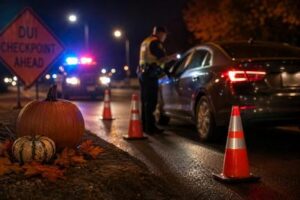
Fall brings college football games, Halloween events, Thanksgiving travel, concerts, festivals, and other gatherings that can place more drivers on Upstate South Carolina roads at night. Law enforcement agencies may use routine patrols, targeted traffic enforcement, and public safety checkpoints during these periods.
A DUI case is usually assembled from several pieces of evidence rather than one fact. Each stage can create information that later appears in police reports, dash-camera footage, body-camera footage, breath-test records, checkpoint records, or courtroom testimony.
South Carolina public safety checkpoints can involve brief stops under a predetermined checkpoint plan. Whether a checkpoint was established and operated lawfully can matter in a defense review.
Read more about South Carolina DUI checkpoint laws:
https://duigreenville.com/dui-checkpoint-laws-south-carolina/
The DUI Case Often Starts Before the Officer Approaches Your Window
In a traffic stop, an officer may begin documenting a possible DUI case before speaking with you. The report may describe why the officer decided to stop the vehicle and what the officer observed beforehand.
Common observations can include:
- Weaving or drifting within or across a lane
- Unusual braking or acceleration
- Speeding or driving unusually slowly
- A traffic violation
- A crash or near collision
- Delayed reactions to traffic signals or police lights
These observations do not prove impairment by themselves. They may become part of the officer’s explanation for why the stop occurred and why the investigation continued.
At a public safety checkpoint, the starting point is different. Officers may briefly contact drivers under the checkpoint plan. If observations give rise to reasonable suspicion of impairment, the officer may extend the detention to investigate further. Probable cause is required before a DUI arrest.




What Officers Look for During the First Conversation
Once an officer reaches the window, the investigation often shifts from driving behavior to personal observations. The officer may note the odor of alcohol, speech, eye appearance, coordination, demeanor, fumbling with documents, or difficulty following instructions.
The officer may also ask where you are coming from, whether you have been drinking, what you consumed, and when you last had a drink. Your answers can become evidence.
South Carolina DUI law focuses on whether alcohol, drugs, or a combination of substances materially and appreciably impaired your faculties to drive. One isolated observation does not necessarily establish that standard. Fatigue, stress, medical conditions, allergies, lighting, or the pressure of a roadside encounter can affect how a person looks or acts.
A defense review can compare the officer’s written description with available video, witness accounts, medical information, and other evidence.
Field Sobriety Tests Can Become a Major Part of the Report
If the officer suspects impairment, the officer may ask you to perform field sobriety exercises. Common standardized tests include the horizontal gaze nystagmus test, walk-and-turn test, and one-leg stand test.
The officer may document whether you followed instructions, started too soon, stepped off line, used your arms for balance, put a foot down, or displayed other signs the officer was trained to observe.
South Carolina Code Section 56-5-2953 states that refusing a field sobriety test does not constitute disobeying a police command. Refusal does not prevent an officer from making an arrest if other evidence supports probable cause.
Testing conditions can also matter. The roadside surface, traffic, lighting, footwear, injuries, medical limitations, and the way instructions were given may affect performance.
Learn more about DUI field sobriety tests in Greenville:
https://duigreenville.com/dui-field-sobriety-tests-in-greenville/
"John Bateman is my absolute go to peer in the legal field when it comes to questions about DUI. . . . He has an innate ability to convey to clients what really matters in their cases. As a fellow attorney, I highly recommend John to anyone in the SC or NC areas who are looking for... legal representation when facing a DUI charge." "John is an excellent DUI attorney. He has received the same field sobriety test training as all police officers in the State, and also the same training as the people who are the instructors of the police officer training courses on field sobriety tests. He is very passionate about DUI's and I recommend him often to people who are facing serious charges in the upstate area." "Very knowledgeable and thorough in his preparation and representation of his clients. He cares for each of his clients and works extremely hard to achieve results. I highly recommend this lawyer.""He has an innate ability to convey to clients what really matters in their cases."
M. Brock

"An excellent DUI attorney. He has received the same field sobriety test training as all police officers in the State"
P. Hammond
"He cares for each of his clients and works extremely hard to achieve results."
C. Grubbs
Police Video Can Confirm or Contradict the Written Report
South Carolina Code Section 56-5-2953 contains video-recording requirements for specified DUI cases at the incident site and breath-test site, subject to the statute’s provisions and exceptions.
Depending on the facts and available equipment, video may show the initial stop or checkpoint contact, the officer’s instructions, field sobriety exercises, the arrest, Miranda advisements when given, and events connected with breath testing.
A defense lawyer may compare the video with the officer’s written report. Questions can include whether the driver appears as described, whether instructions were complete, whether the testing area was suitable, whether required events were recorded, and whether the recording contains gaps.
Missing or incomplete video does not automatically result in dismissal of a DUI charge. The legal effect depends on the statute, the reason for the missing or incomplete recording, the degree of compliance, and the other evidence in the case.
Read more about South Carolina DUI videotaping laws:
https://duigreenville.com/dui-videotaping-laws-south-carolina/
Probable Cause Can Support a DUI Arrest
After gathering roadside evidence, the officer decides whether probable cause exists to arrest for DUI. That decision may rely on several facts together, including driving behavior, statements, physical observations, field sobriety performance, video, crash evidence, and other circumstances known to the officer.
This is a key point for defense review. The question is not simply whether the officer suspected impairment. The issue is whether the facts known to the officer at the time were legally sufficient to support the arrest.
A lawyer can also review the legal basis for the traffic stop, checkpoint detention, continued roadside investigation, and arrest. If a required legal standard was not met, counsel can evaluate whether evidence obtained afterward may be challenged.
Refusing Field Sobriety Tests Choosing a DUI AttorneyRelated Videos
Chemical Testing Can Add a Separate Layer of Evidence
South Carolina Code Section 56-5-2950 addresses implied consent testing after a qualifying DUI arrest. The law covers chemical testing of breath, blood, or urine and requires specific written and verbal advisements before testing.
Those advisements include information about:
- The right to refuse testing
- Driver’s license consequences that can follow a refusal
- Driver’s license consequences when a qualifying alcohol concentration is reported
- The right to request a contested case hearing within 30 days of the notice of suspension
- The right to obtain additional independent testing by a qualified person at your expense
- Alcohol and Drug Safety Action Program requirements that may apply if a suspension is not challenged or is upheld
A refusal does not erase the criminal DUI case. A test result also does not end the legal analysis. The testing procedure, operator qualifications, video, equipment checks, sample collection, timing requirements, and other records may become relevant.
If a refusal or an alcohol concentration of 0.15 percent or more results in a notice of suspension, the administrative driver’s license issue proceeds separately from the criminal case. Under Section 56-5-2951, the request for a contested case hearing generally must be made within 30 days of the notice of suspension.
Learn more about implied consent in Greenville, South Carolina:
https://duigreenville.com/implied-consent-greenville-sc/
The Officer’s Report Is Only One Part of the Evidence
After an arrest, a police report can make the case appear complete. A defense lawyer usually looks beyond the report itself.
Potential discovery and other evidence can include:
- Dash-camera and body-camera footage
- Checkpoint plans and logs
- Dispatch and radio records
- Field sobriety testing video
- Breath-test records
- Implied consent forms
- Equipment maintenance or certification records when relevant
- Witness statements
- Crash photographs or diagrams
- Medical information that may explain physical symptoms
- Receipts, location records, transportation records, or communications that help establish a timeline
The goal is to compare the officer’s narrative with the underlying evidence and determine whether the pieces support one another.
Learn more about the importance of discovery in a DUI case:
https://duigreenville.com/importance-discovery-in-a-dui-case/
What You Should Do After a Fall Holiday Weekend DUI Arrest
If you were arrested after a football game, Halloween event, Thanksgiving gathering, or another fall holiday weekend activity, preserve information while it is still fresh.
Practical steps can include:
- Keep your ticket, bond paperwork, suspension notice, testing documents, and court information.
- Write down the route you drove, the location of the stop or checkpoint, what the officer asked, what you said, and which tests were requested.
- Record anything unusual about the roadside surface, lighting, weather, footwear, injuries, medication, or medical conditions.
- Save receipts, messages, photographs, videos, location data, rideshare records, and witness contact information that may help establish a timeline.
- Do not alter, delete, or discard records that may later matter.
- Avoid posting details about the arrest or evidence on social media.
- Read every driver’s license suspension notice promptly and keep a copy.
A driver’s license deadline can arrive before the criminal case has moved very far. If Section 56-5-2951 applies, a request for a contested case hearing generally must be filed within 30 days of the notice of suspension. The criminal charge and the administrative driver’s license matter can proceed on separate tracks.
For practical guidance after a DUI arrest in Greenville:
https://duigreenville.com/after-dui-arrest-in-greenville-sc/
A DUI Investigation Can Be Reviewed Stage by Stage
Police build DUI cases by collecting facts over time. A defense does not have to treat every observation, test result, or written conclusion as the complete picture. The stop, checkpoint procedures, detention, field sobriety testing, video, arrest decision, chemical testing, and paperwork can each be reviewed on their own terms.
A police report is not the same thing as the complete evidence. Each stage of the investigation can be checked against video, records, testing procedures, and the law.
The Bateman Law Firm focuses on DUI defense in Greenville and throughout Upstate South Carolina. Attorney John C. Bateman is a former Army JAG prosecutor. He has completed National Highway Traffic Safety Administration DUI Detection and Field Sobriety Testing training, Advanced Roadside Impaired Driving Enforcement training, and the NHTSA DUI Detection and Field Sobriety Testing Instructor’s Course.
A case review may examine:
- The legal basis for the traffic stop or police contact
- Whether a checkpoint was established and operated lawfully
- Whether reasonable suspicion supported continued detention
- Whether probable cause supported the arrest
- Field sobriety instructions and testing conditions
- Incident-site and breath-test-site video
- Breath, blood, or urine testing
- Implied consent warnings and paperwork
- Witness statements, surveillance footage, and timeline evidence
- Separate driver’s license deadlines
Learn more about John C. Bateman:
https://duigreenville.com/john-bateman/
Learn more about Greenville DUI defense:
https://duigreenville.com/greenville-dui-defense-attorney/
Talk With a South Carolina DUI Defense Lawyer
If you were arrested during a fall holiday weekend in Greenville, Clemson, Spartanburg, or another nearby Upstate South Carolina community, The Bateman Law Firm can review how the investigation developed, explain the criminal and driver’s license issues, and help you evaluate the next step.
Call (864) 406-3004 to request a consultation:
tel:+18644063004
Contact The Bateman Law Firm online:
https://duigreenville.com/contact/
The firm has offices in Greenville, Clemson, and Spartanburg, South Carolina, and serves clients in nearby areas throughout Upstate South Carolina.
This article is for informational purposes only and is not legal advice. Consult an attorney about your specific situation.